Who Will Give Up the Second Car First?
A Wednesday school pickup is the test of M.K.’s 2029 forecast for driverless rides and second-car ownership in outer suburbs.
When my younger daughter came of age, Dorami asked whether she had her licence yet. “She won’t need one,” I said. She can learn if she wants to. I can still imagine her asking me someday, “Dad, did you really have to drive yourselves everywhere?”
Here’s my forecast for the next three years. By 2029, reliable driverless rides will persuade some families on the outskirts of major cities to go without a second car. Over a longer period, I expect most households to reach the point where they no longer need to own a car. Buying one and driving it yourself may come to feel like shooting on film. Some people will keep doing it because they love how it feels.
Wednesday at four
Picture a household with two cars. One barely leaves the driveway. Then Wednesday comes around. Someone needs to take a child to a lesson, someone else is still in a meeting, and it’s pouring. Dinner and the trip home depend on that ride. Those ninety minutes explain why the family keeps a second set of keys.
A driverless service has to earn its place on that Wednesday. The car comes for the trip out and the trip back. It comes again the following week in the rain. Then the old car needs an expensive repair, and the question changes. Is it worth paying for another few years of insurance, parking and upkeep? I expect that decision to change first for families already facing a replacement.
A tower close to home
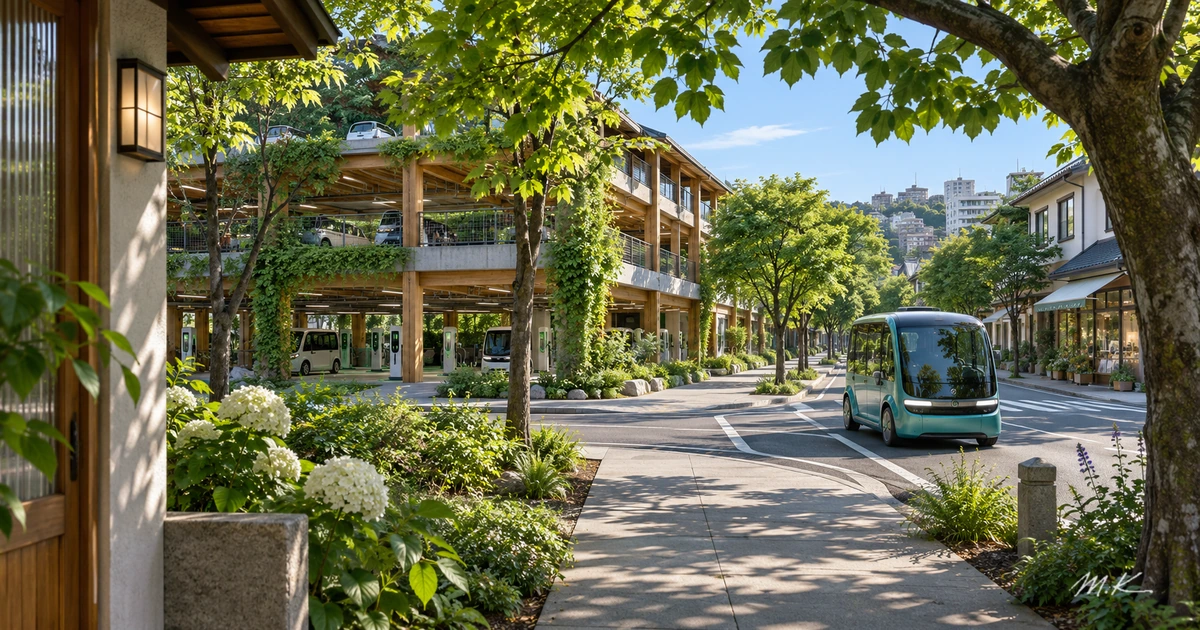
I picture a metropolitan area divided into districts, with a driverless-car tower serving each one. Imagine a multistorey garage where cars pull in, park and recharge, and where staff can clean and maintain them. You book a ride on your phone. A car comes from nearby, takes you to your destination, and heads to the next pickup. When it runs out of work or needs a charge, it returns to a tower.
The morning rush pulls cars towards stations and offices. Another group is still waiting near home. In the afternoon the flow reverses. Several local depots give a fleet somewhere to position its reserves before those shifts. The test is what happens when rush hour and heavy rain arrive together.
I’m watching the outskirts of established cities. Homes, train stations, clinics, schools and shops are often a short drive apart, with familiar patterns across the day. If a driverless ride can reliably connect a home to the station, the rest of the journey can still happen on the train.
Two questions for 2029
I’ll ask the fleet operator where its cars spend the night and where the reserve cars come from at rush hour. Then I’ll ask residents whether they replaced their second car the last time it wore out, or simply went down to one. A new depot without a change in household decisions would leave my forecast unfulfilled.
Going from one car to none raises the stakes. A family needs to know whether it can get an early airport ride, find a vehicle with room for a stroller or help an older relative get to a clinic in the rain. Cities and operators will also have to make pickup points and incident reporting work on ordinary streets.
One day my daughter may tap her phone and have a car waiting outside. If she’s happy to have me along, I’ll still go with her.
Source notes
Waymo lists Uber rides in parts of Austin and Atlanta, subject to service area and nearby vehicles. The companies’ public partnership announcement covers cleaning, repair and depot operations. Those examples are distinct from M.K.’s forecast about district-scale multistorey towers, changes in car replacement by 2029 and longer-term ownership habits.